Vacation To Bali

  • Why It’s Smarter to Hire Bali Driver with Car for Your Trip

    Why It’s Smarter to Hire Bali Driver with Car for Your Trip

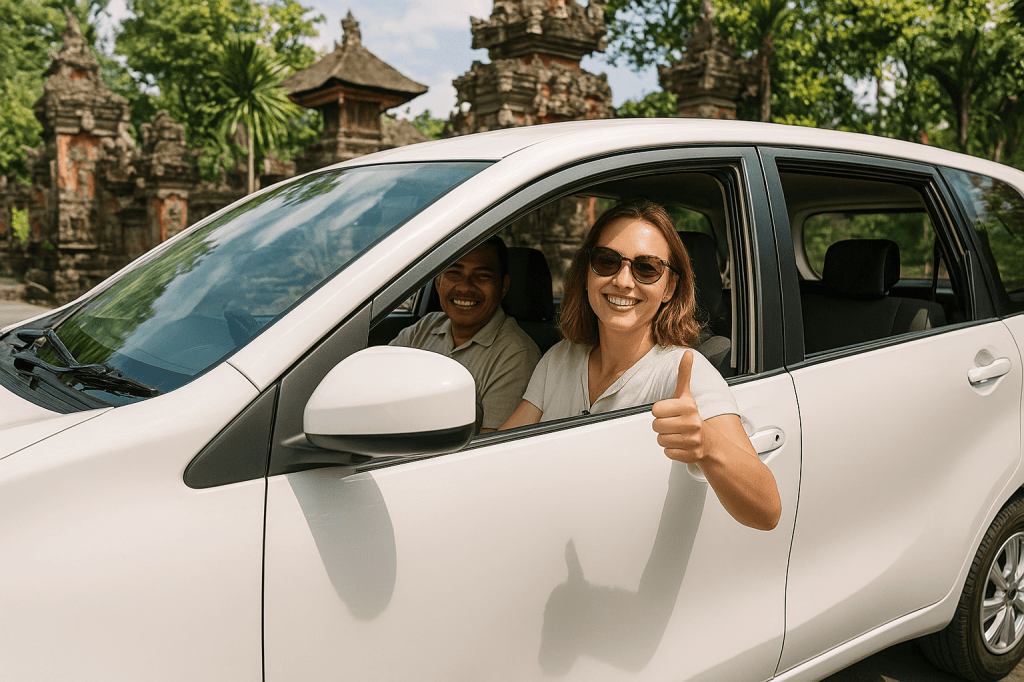
    When people talk about exploring Bali, the usual conversation drifts to scooters. “Just rent a scooter, it’s cheap and fun,” they say. And yeah, scooters are fine if you’re solo and don’t mind dodging traffic like it’s a video game. But when I travel with family or when I want a stress-free trip, I always prefer to hire Bali driver with car instead. The first time I did it, I thought it might feel too “touristy” or expensive. Turns out, it was the best decision of the trip, and I’ve done it multiple times since then.

    Read also: Black Sand Beaches in Bali

    I’m not exaggerating when I say that having a local driver totally changes the way you see the island. Instead of wrestling with Google Maps in a place where GPS sometimes lags, you’ve got someone who knows the roads like the back of their hand. Plus, the traffic in Bali is… let’s just say, it has its own personality. Having a driver meant I wasn’t arriving at temples or beaches already drained from the chaos on the road.

    The Real Cost of Hiring a Driver in Bali

    A lot of people assume it’s crazy expensive to book a private driver. Honestly, I thought so too, until I saw the actual rates. The standard full-day hire (around 8–10 hours) usually runs about 600,000 to 800,000 IDR (roughly $40–$55 USD). That’s for both the driver and the car, including fuel. If you’re traveling with friends or family and split the cost, it’s about the same price you’d spend on multiple scooter rentals—except you’re not risking road burns or getting stuck in a sudden downpour.

    Something I learned: always clarify what’s included before confirming. Most drivers include fuel and parking in their price, but a few might ask for parking fees separately. Also, ask whether the driver is flexible with hours. Some stick strictly to 10 hours, while others are more laid back if you’re running late from a sunset dinner.

    I once hired a driver for 3 days straight when my parents visited. We went from Ubud to Uluwatu, and then up to Lovina for the dolphins. All the logistics—narrow mountain roads, endless traffic, random police checks—were handled without me stressing. I remember thinking, “Yeah, this is worth every rupiah.”

    Why a Local Driver is More Than Just Transportation

    Here’s the thing. When you hire Bali driver with car, you’re not just paying for someone to take you from A to B. You’re basically hiring a local guide who knows shortcuts, hidden spots, and even the best times to visit popular attractions.

    For example, one driver took me to a coffee plantation in central Bali that wasn’t on my itinerary. I didn’t even know it existed. It ended up being one of my favorite stops, sipping freshly brewed kopi while overlooking rice terraces without a single tour bus in sight. Another time, our driver suggested we leave an hour earlier than planned to catch a sunrise over Mount Batur. If we’d gone on our own schedule, we would’ve missed it entirely.

    Drivers also know all the parking hacks, which sounds silly until you’re in Ubud where parking is like finding gold. They drop you right at the entrance and wait, no 20-minute walk needed.

    When to Hire a Driver Instead of Driving Yourself

    If your trip is mostly around one area, like staying in Seminyak and just hopping to Canggu, a scooter might do the job. But for longer trips—like visiting waterfalls in northern Bali, temples in the east, or day trips from Ubud—you’ll thank yourself for booking a driver.

    Long drives in Bali aren’t like highways at home. The roads are winding, narrow, sometimes with dogs or chickens casually crossing. And don’t even get me started on trucks crawling uphill while impatient motorbikes weave through. It’s not the place you want to be stressed about directions.

    For me, the “ah-ha” moment was a trip to Tanah Lot temple. The sunset there is legendary, but the parking lot and exit traffic? Absolute chaos. I watched tourists sweating and trying to get their scooters out of a jam while I sat in the back of an air-conditioned car, sipping water my driver handed me. That was the day I promised myself never again to DIY long trips in Bali traffic.

    How to Choose the Right Driver in Bali

    Not all drivers are the same, so choosing wisely makes a difference. Some things I always check:

    • Communication – Do they respond quickly and speak enough English (or your preferred language) to understand your itinerary? Misunderstandings about timing or destinations can be a headache.
    • Reviews and References – I like to ask other travelers or even look at Facebook groups. People usually share genuine recommendations.
    • Type of Car – If you’re just two people, a compact car is fine. But with family or friends, make sure it’s spacious enough. Nothing ruins a road trip like being squished for hours.
    • Flexibility – A good driver doesn’t just drive; they’ll adjust the schedule if the weather changes, suggest alternatives, and even help you avoid tourist traps.

    One of my favorite drivers once stopped at a roadside warung (local eatery) and ordered food for us, explaining the dishes and even helping me try sambal without accidentally burning my tongue off. That kind of hospitality sticks with you.

    The Extra Perks You Don’t Think About

    Something people don’t realize until they’ve done it: having a driver also solves small but annoying problems. You can leave your stuff in the car safely while exploring. No dragging bags everywhere. If you shop at local markets, you don’t have to carry it all day. The car becomes your mobile locker.

    Also, drivers often have WiFi hotspots in their cars. I was able to upload photos to Instagram while we were cruising along the coast. Some even provide bottled water daily. It feels like having a mini concierge service built into your transportation.

    One time, my driver even helped negotiate with a vendor who tried to overcharge me at a souvenir shop. Not in a pushy way, just calmly told me, “No, that’s too high, you can get it for less.” I probably saved enough money in that one exchange to cover half a day of his driving fee.

    Where to Book a Bali Driver

    There are a few different ways I’ve booked drivers in Bali:

    • Through Hotels or Villas – Convenient, but usually slightly more expensive.
    • Online Platforms – Websites, Instagram, or WhatsApp. Many drivers advertise their services online and share testimonials.
    • Word of Mouth – Still my favorite. Travelers love recommending good drivers, and those recommendations often come with WhatsApp numbers.

    Personally, I like contacting drivers directly via WhatsApp. It feels more personal, and you can ask about availability, car type, and pricing up front. Plus, many drivers are freelancers who rely on these direct bookings instead of hotel partnerships. Supporting them feels better.

    Is It Worth It for Short Stays?

    Even if you’re only in Bali for a few days, it’s still worth considering. Let’s say you’re in Bali for 4 days and want to see Uluwatu, Ubud, and the rice terraces. If you tried doing all that on scooters, you’d lose half your energy just navigating traffic. With a driver, you wake up, hop in the car, and let someone else handle the stress. You get to actually enjoy the views instead of clenching your teeth at every roundabout.

    During one short trip, I only hired a driver for 2 days and did scooters the rest. Honestly, those 2 days with the driver felt like a proper holiday, while the scooter days felt like a workout. That contrast was enough proof for me.

    Comparing a Bali Driver with Other Transport Options

    Let’s be real—Bali gives you plenty of choices when it comes to getting around. Scooters, taxis, ride-hailing apps, even bicycles if you’re brave enough. But none of them really compare to when you hire Bali driver with car for the whole day.

    Scooters sound cheap (100,000+ IDR per day, which is like $7 USD), but then you’ve got fuel costs, parking fees, and the bigger problem: safety. Bali roads aren’t always forgiving, especially when it rains or when traffic gets insane near Kuta or Denpasar. I once rented a scooter for just two days, and both times I returned to my villa sweaty, sunburned, and stressed. My friend even got pulled over by police and had to pay a “fine” on the spot because he forgot to carry his international driver’s license. Not exactly the vacation vibe you’re going for.

    Taxis are fine for short trips, but they add up fast. A ride from Seminyak to Ubud, for example, can cost almost the same as hiring a driver for an entire day. Grab and Gojek (Indonesia’s ride-hailing apps) work in certain areas, but not everywhere. In some tourist spots, local taxi groups block them. Imagine standing outside a temple and realizing you can’t even book a ride because Grab isn’t allowed there. That’s when you appreciate having your own driver waiting for you.

    For longer journeys or when you want to cover multiple destinations in one day, nothing beats having a dedicated driver. No constant negotiations, no waiting around, just door-to-door comfort.

    What It’s Like Spending a Day with a Bali Driver

    A full-day trip usually starts around 9 AM. The driver picks you up right at your villa or hotel, car spotless and air-con running. The first time I did this, I remember walking out with my iced coffee still half full, sliding into the back seat, and thinking, “This is how vacation should feel.”

    Drivers often have suggested itineraries, but you can tweak them however you like. Want to stop at a rice terrace for 30 minutes? No problem. Hungry before heading to the temple? They’ll recommend a warung or a nicer restaurant depending on what you feel like. That flexibility is something you don’t get with fixed tours.

    One of my favorite days was when we visited three waterfalls north of Ubud. The roads were winding and full of potholes—no way I would’ve managed on a scooter. The driver waited at each stop, kept our bags safe in the car, and even offered to take photos for us when we looked like we were struggling with selfies. At the end of the day, he suggested a sunset spot we hadn’t even planned for, and it turned out to be one of the highlights of the trip.

    Things to Keep in Mind When Hiring a Driver

    While it’s mostly a smooth experience, there are a few things I’ve learned the hard way that make the whole process even better.

    First, always confirm the daily rate and hours before the trip starts. Some drivers count a “day” as 8 hours, others as 10. If you go over, they may charge an extra hourly fee (usually around 100,000 IDR). It’s not expensive, but it’s better to know up front.

    Second, tipping isn’t mandatory in Bali, but it’s really appreciated. I usually add 50,000–200,000 IDR at the end of the day if the driver went above and beyond. Considering how much effort they put in—navigating traffic, waiting patiently, even helping carry shopping bags—it feels fair.

    Third, don’t be shy about sharing your preferences. If you want fewer touristy stops and more local experiences, just say so. I once mentioned I preferred small family-run places over big restaurants, and the driver immediately adjusted our plan. We ended up eating the best nasi campur of the trip at a tiny roadside stall where no tourists were in sight.

    The Small Moments That Make It Worth It

    Sometimes it’s not the big temples or waterfalls that stick with you, but the little moments. Like when a driver points out a random ceremony happening in a village and pulls over so you can watch. Or when they teach you a few phrases in Bahasa Indonesia and laugh with you when you totally butcher the pronunciation.

    I still remember one ride where the driver explained Balinese offerings—the little woven baskets with flowers and incense you see everywhere. He told us how his family makes them every morning, and the meaning behind each part. It turned a random drive between stops into a cultural lesson I’ll never forget. That’s the kind of thing you just don’t get when you’re focused on directions and traffic yourself.

    So yeah, hiring a driver in Bali isn’t just about convenience—it’s about having someone who turns transportation into part of the experience. Every time I’ve done it, I’ve ended up seeing and learning more than I would have managed on my own. And honestly, that’s the whole point of traveling, right?

  • Black Sand Beaches in Bali: Why These Volcanic Shores Deserve a Spot on Your Itinerary

    Black Sand Beaches in Bali: Why These Volcanic Shores Deserve a Spot on Your Itinerary

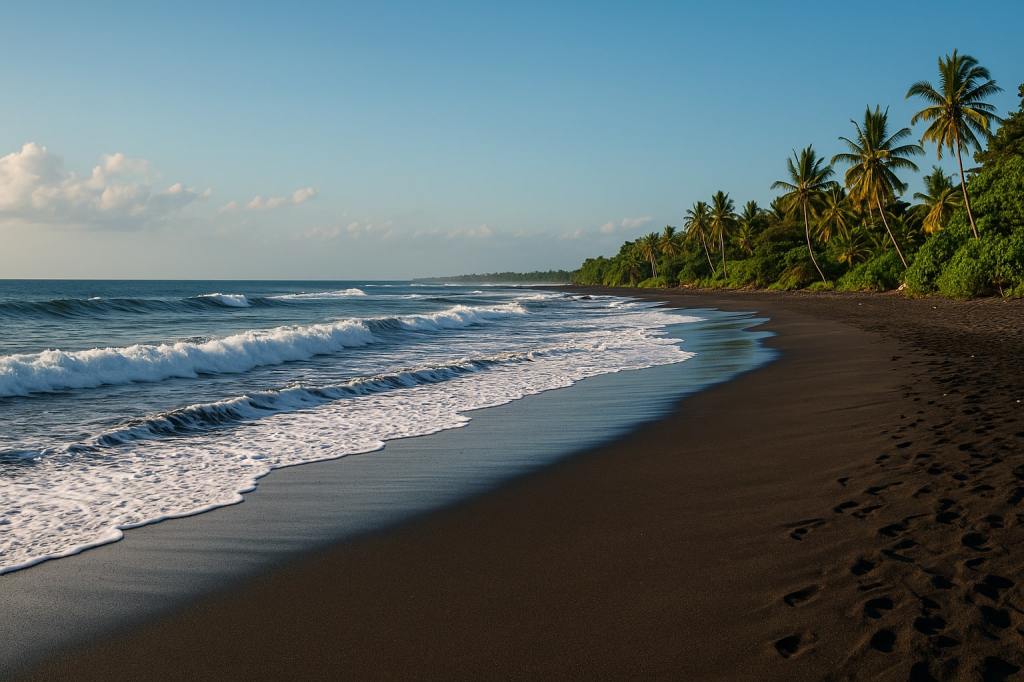
    So, let’s get this straight right from the start — if you’ve heard the words black sand beaches in Bali and thought, “Huh? Isn’t Bali just white sand and turquoise waters?” — you’re not alone. A lot of people picture Bali like something out of a tropical screensaver, and yeah, we’ve got those white sand stunners too. But let me tell you, the black sand beaches here? Totally different vibe. Less polished, more raw, more real. And that’s honestly what makes them stand out.

    Read also: How to Plan a Honeymoon in Bali on a Budget

    I’ve been living and working in Bali for over a decade as a tour driver, and let me tell you, I’ve driven across more coastlines than I can count — some full of crowds and cocktails, others quiet with crashing waves and no one around but a local fisherman and a lazy dog. The black sand beaches? They’re where nature shows off a little. And if you’re the kind of person who loves getting off the beaten path — or you’re just curious why the sand is black to begin with — then yeah, you’re gonna want to keep reading.

    What Actually Makes Bali’s Black Sand Beaches, Well… Black?

    Alright, so here’s a quick science-y moment (I’ll keep it chill, promise). The black sand on these beaches comes from Bali’s volcanic activity. Yep, that’s right. Mount Agung, Mount Batur, and their other fiery cousins have been shaping this island for centuries. When lava flows hit the ocean and cool down rapidly, they break into tiny fragments that eventually become black sand. That’s what you’re walking on — literal pieces of ancient volcano.

    So, when you’re standing barefoot on a beach like Pantai Keramas or Yeh Gangga, you’re not just beach-bumming. You’re literally standing on Bali’s geological history. Kind of wild when you think about it, right?

    And fun fact — black sand absorbs heat like crazy. So yeah, it gets HOT. Don’t even try to walk barefoot at noon unless you’re into the whole hot-coal challenge. Bring sandals. You’ll thank me later.

    Where to Find the Best Black Sand Beaches in Bali

    Let’s break this down by region because Bali’s not just Seminyak and Ubud (though yeah, I love those places too). The black sand beaches are mostly on the east, north, and some parts of the west coast. Here’s where to go if you’re chasing that dark, gritty magic.

    East Bali – Secret Vibes and Surfer Dreams

    Keramas Beach

    This is probably one of the more “known” black sand beaches in Bali, especially among surfers. Keramas Beach is in Gianyar, not too far from Ubud or Sanur — so it’s perfect if you’re not in the mood to drive for hours.

    The beach itself? It’s got a cool edge. The waves are big, the crowd is chill, and if you’re lucky, you’ll catch a surf comp going down at Komune Resort. Yeah, you’ll find a few Instagrammers around, but it’s still way more low-key than Canggu.

    If you’re not surfing, it’s still great for a sunset walk or just zoning out with the sound of the waves. And since it’s not overrun with warungs and beach clubs, bring your own snacks and water.

    Pantai Masceti

    Just a bit down from Keramas is Masceti. I love this beach because it’s got this sacred, almost eerie vibe. There’s a temple nearby (Pura Masceti) that locals go to for ceremonies. It’s not really a sunbathing kind of place — more of a come-sit-and-watch-the-sea kind of spot.

    Sometimes I bring guests here in the early morning, especially if they’re into photography. The contrast of the black sand with the light at sunrise? Unreal.

    North Bali – Chill Out Zone with Underrated Beaches

    Lovina’s East Side

    Okay, so Lovina is mostly known for dolphins, right? And yeah, the whole “sunrise boat tour with jumping dolphins” thing is cute and all. But drive just 15-20 minutes east, and you’ll start seeing more black sand and fewer tourists.

    Some of the beaches along this stretch don’t even have names on Google Maps. That’s how off-grid they are. You’ll see local kids playing soccer, fishermen mending their nets, and barely another foreigner in sight.

    The vibe here is peaceful — like Bali from 20 years ago. And the sand? Soft, dark, and dotted with little bits of coral and lava rock.

    Pemuteran

    Pemuteran is technically on the northwest side, but it blends the chill of the north with the snorkeling paradise of Menjangan. The sand here is black but leans more towards a grey-ish tone, especially when the sun hits it. It’s not the kind of beach you lay on for tanning (unless you don’t mind a little volcanic exfoliation), but it’s perfect for a snorkel trip or just breathing in that clean, salty air.

    West Bali – Wild, Windswept, and Worth It

    Yeh Gangga

    This is a personal favorite. Yeh Gangga sits just north of Tanah Lot, but most tourists completely miss it. The beach stretches wide, with dramatic waves and dark, shimmering sand that almost looks silver in some spots. You’ll see lots of locals on dirt bikes or kids flying kites. Not a bean bag or overpriced cocktail in sight.

    If you’re into drone photography or just want to see a different side of Bali, come here. It’s raw, rugged, and ridiculously photogenic.

    Also, there’s a local warung called Warung Agung right on the cliff. Cold coconut, fresh grilled fish, and that million-dollar view? Yes please.

    What to Do (and Not Do) at Black Sand Beaches in Bali

    Alright, quick honesty session. These beaches aren’t for everyone. If your dream beach day involves fruity drinks and turquoise water, you might get a little surprised.

    But if you’re open to something more natural and less manicured — more “real Bali,” honestly — then you’re gonna love ‘em. Here’s what to know:

    Bring Footwear

    Can’t say this enough. That black sand gets HOT. Like, you-can-fry-an-egg-on-it hot. I’ve seen people sprinting to the shade like it’s a beach Olympics. Slides or sandals are a must.

    Watch the Waves

    A lot of these beaches, especially on the east and west coasts, have strong currents. Great for pro surfers, not great for casual swimming. I’m not trying to scare you, just keeping it real. If you’re not sure, ask a local or just stick to the shallows.

    Don’t Expect Resorts Everywhere

    Unlike Seminyak or Jimbaran, black sand beach areas usually don’t have tons of five-star hotels or beach bars. Some spots, like Keramas or Amed, are more developed, but most are still super local. That’s the charm. Just plan ahead if you’re looking for meals or bathrooms.

    Respect the Space

    Some of these beaches are near temples or considered spiritually important by locals. Don’t do anything sketchy like flying drones over ceremonies or leaving trash behind. Balinese people are super welcoming, but respect goes a long way.

    Why Black Sand Beaches Are Underrated (But Probably Won’t Be for Long)

    You know how places like Uluwatu and Canggu went from quiet surf towns to Instagram central in like, five years? Yeah, I’ve got a feeling some of these black sand spots might be next. Especially now that more eco-travelers and digital nomads are hunting for something fresh.

    Places like Saba Beach are starting to get attention, especially with horse riding tours popping up along the shoreline. And in Keramas, there’s already a mix of wellness retreats and beach clubs blending into the surf scene.

    That’s why I always tell my guests — go now while it’s still quiet. The black sand beaches give you a different side of Bali. A little less filtered, a little more soul.

    And you’d be surprised how many locals prefer them too. My cousin Nyoman, who’s lived in Bali all his life, told me he always goes to Pantai Soka on his days off. Says the waves clear his head better than any spa ever could. And he’s right. There’s something therapeutic about standing on dark volcanic sand while the ocean crashes like it’s got something to say.

    Can You Swim at Black Sand Beaches? Let’s Be Real About It

    Okay, this one comes up all the time with guests. “Can we swim here?” And I always answer with a very unhelpful: “Depends.”

    Here’s the deal — not all black sand beaches in Bali are swimmable. Some, like Lovina or parts of Amed, have gentler waters and are good for a dip. But many of the east and west coast spots have powerful waves and strong undertows.

    I’ve seen plenty of people underestimate that ocean. It’s not about scaring you — it’s about respecting the sea. If there are no lifeguards or no one else swimming, probably best to stay on the shore. Or, better yet, enjoy the beach in other ways — walking, meditating, photography, whatever feels right.

    But hey, if you are keen on getting in the water, just ask a local nearby. Seriously, they’ll give it to you straight. Balinese people are super chill, but they’ll also tell you if a spot’s dangerous.

    What to Bring for a Black Sand Beach Day in Bali

    Here’s what I usually pack when I head out with my guests or just on a solo coast run:

    • Flip flops or sandals (already said this, I know, but it’s worth repeating).
    • A sarong or towel — the sand sticks differently than on white sand beaches.
    • A hat and plenty of sunscreen. The sun reflects off the black surface way more.
    • Water and snacks — especially if you’re going to a more remote spot.
    • Camera or phone (with space on it!) because these beaches look otherworldly at sunrise or sunset.
    • A bag to carry your trash — a lot of these beaches don’t have bins.

    Closing Ramble — Why Black Sand Beaches in Bali Kinda Stick With You

    You know that feeling when you discover a place before it becomes a trend? That’s what these beaches are like. They might not have the “wish you were here” postcard vibe at first glance, but trust me, they grow on you.

    There’s this quiet kind of beauty about them. The way the dark sand contrasts with the bright sky. The sound of waves without club music in the background. The stillness. The realness.

    If you’ve got a day or two to spare on your trip, pick one or two of these black sand beaches in Bali to explore. Get a little sand in your shoes, take a break from the tourist trails, and see the island from a different angle. I’m willing to bet you’ll remember it long after the tan fades.

    And who knows, maybe I’ll see you out there — parked on the edge of the beach, sipping a cold coconut, watching the tide roll in over ancient lava.

  • How to Plan a Honeymoon in Bali on a Budget

    How to Plan a Honeymoon in Bali on a Budget

    Honeymoon in Bali on a Budget – Bali. Just saying the name makes you think of white sand beaches, lush green rice terraces, and those dreamy overwater swings that flood Instagram. It’s a honeymoon paradise—but if you’re not careful, it can also be a money pit. Resorts charge insane rates, tourist traps lurk around every corner, and before you know it, your “budget honeymoon” looks more like a luxury getaway with a side of financial regret.

    But here’s the good news: You don’t have to spend a fortune to have an unforgettable honeymoon in Bali. If you know where to splurge and where to save, you can experience all the magic of the Island of the Gods without draining your bank account.

    Let’s break it down—where to stay, what to eat, how to get around, and all the sneaky ways to cut costs without cutting out the fun.

    Choosing Budget-Friendly Accommodation in Bali

    First thing’s first—where are you gonna sleep? Bali is packed with luxury resorts, but those $300-a-night villas aren’t your only option. If you’re willing to swap butlers and infinity pools for charm and authenticity, you can find some truly beautiful stays on a budget.

    Read also: Private Driver in Bali for a Full-Day Tour

    Skip the Big Resorts, Go for Guesthouses & Homestays

    Bali is full of family-run guesthouses and homestays where you can stay for as little as $20–$50 per night. These aren’t dingy backpacker hostels either—many of them come with private pools, stunning jungle views, and the kind of hospitality you just don’t get at big hotels. Plus, a lot of them include free breakfast, which means one less meal to pay for.

    • Ubud: Look for places like Adiwana Bee House or Gatra Ubud Inn—both under $50, surrounded by rice fields, and ridiculously peaceful.
    • Canggu: Guesthouses like The Jungle House offer stylish, budget-friendly stays close to the beach.
    • Amed: If you want oceanfront vibes on a budget, Amed is full of cheap, cozy bungalows for under $30 a night.

    Consider Airbnb & Private Villas

    If you’re staying for a week or more, renting a private villa through Airbnb or Booking.com can actually be cheaper than a hotel. Some 1-bedroom villas with private pools go for as little as $40–$60 per night, especially if you stay outside the tourist hotspots.

    Avoid staying in Seminyak or Nusa Dua if you’re on a tight budget—these areas are packed with high-end resorts, and even the budget options tend to be overpriced. Instead, check out Uluwatu, Sanur, or Sidemen for better deals.

    Eating Well Without Blowing Your Budget

    Bali’s food scene is unreal—if you do it right. If you stick to touristy restaurants, you’ll be paying Western prices for Indonesian food (which, honestly, should be a crime). But if you eat like a local, you’ll get better food for a fraction of the cost.

    Warungs Are Your Best Friend

    A warung is a small, local eatery where you can get a massive plate of authentic Indonesian food for $2–$5. Some of the best meals you’ll have in Bali will come from these humble little spots.

    • Nasi Campur – A little bit of everything: rice, veggies, tempeh, tofu, and whatever meat you choose.
    • Mie Goreng – Classic Indonesian fried noodles, usually around $1.50–$3.
    • Babi Guling – If you eat pork, this Balinese roast pig is a must-try.

    Some of the best budget-friendly warungs include Warung Biah Biah (Ubud), Nasi Ayam Kedewatan (Ubud), and Warung Jukung (Sanur).

    Skip the Fancy Cafés (Most of the Time)

    Bali is famous for its trendy cafés, but those smoothie bowls and avocado toasts come with a hefty price tag. If you wanna check out a few, go for it—just balance it out with cheaper meals at warungs.

    Many cafés have “happy hour” food deals in the late afternoon. Check their menus before you go!

    Getting Around Bali on a Budget

    Bali doesn’t have public transport, and taxis will rip you off if you’re not careful. So, what’s the move?

    Rent a Scooter (If You Can Ride Safely)

    The absolute cheapest way to get around Bali is by renting a scooter. Most rentals cost $5–$7 per day, and gas is ridiculously cheap—like $2 to fill a tank. Just make sure you have an international driver’s license and are comfortable riding in chaotic traffic.

    Always wear a helmet and check your brakes before renting—Bali’s roads can be unpredictable.

    Use Ride-Share Apps (But Avoid Airport Scams)

    If scooters aren’t your thing, ride-sharing apps like Grab and Gojek are way cheaper than taxis. Just don’t use them at the airport—there’s a taxi mafia that blocks them, and you’ll have to use the overpriced airport taxis instead. A workaround? Walk 5 minutes outside the airport and order your ride from there.

    Budget-Friendly Activities That Feel Luxurious

    You don’t need to drop hundreds of dollars on fancy tours to have an incredible time in Bali. Some of the best experiences are actually free (or close to it).

    Free & Cheap Things to Do:

    • Explore the rice terraces – Tegalalang gets crowded, so check out Jatiluwih Rice Terraces instead. Entry: $3.
    • Visit temples – Tanah Lot, Uluwatu, and Besakih are stunning and cost under $5 to enter.
    • Chase waterfalls – Tegenungan and Sekumpul Waterfalls are unreal, and entry fees are $1–$5.
    • Sunset at Uluwatu – Watching the sun go down over the cliffs? Free.
    • Snorkeling in Amed – Rent gear for $3–$5 and swim with colorful fish right off the beach.

    The Sneaky Costs You’ll Want to Avoid

    Even if you’re smart with your budget, there are a few common money traps that can sneak up on you:

    • Airport SIM card sellers charge way more than local vendors. Get your SIM at a convenience store instead.
    • “Tourist tax” pricing – Some vendors will charge tourists double. Politely haggle or ask locals for price recommendations.
    • ATM fees – Some ATMs charge crazy high withdrawal fees. Use BNI or BCA ATMs, which have lower fees.

    Planning a budget honeymoon in Bali is totally doable—you just gotta know where to look. Skip the overpriced resorts, eat where the locals eat, and get around like you belong there. You’ll still get those dreamy sunsets, jungle vibes, and beach days, just without the crazy price tag.

    Where to Splurge (Because It’s Your Honeymoon, After All)

    Look, saving money is great, but it’s still your honeymoon. You’re not backpacking through Bali on a $10-a-day budget—you’re celebrating, and some things are worth the extra cash. The key is knowing when to splurge and when to save.

    A Private Pool Villa for One Night

    Yes, I just spent half this article telling you to avoid overpriced resorts—but hear me out. Spending at least one night in a private pool villa is 100% worth it. You don’t have to drop $500+ for the experience, either.

    There are plenty of affordable luxury villas in Ubud, Uluwatu, and even Canggu for under $100 a night. That’s still way more than a budget guesthouse, but for one night, it’s a game-changer. Imagine waking up to jungle views, sipping coffee by your own infinity pool, and feeling like royalty without the royal price tag.

    Good budget-friendly villa options:

    • The Sankara Resort & Spa (Ubud) – Around $80
    • The Edge Bali (Uluwatu) – Around $100
    • Amora Ubud Boutique Villas – Under $100

    A Romantic Beachfront Dinner

    Most of your meals should be budget-friendly, but one fancy dinner won’t kill your budget. Bali has plenty of stunning beachfront restaurants where you can have a candlelit dinner for under $50 (yes, total, not per person).

    Some spots to check out:

    • Jimbaran Bay seafood cafes – Fresh seafood, ocean views, and candlelit tables right on the sand.
    • La Lucciola (Seminyak) – Upscale Italian with a beachfront setting, but still reasonably priced.
    • The Cave by Chef Ryan Clift (Uluwatu) – A literal cave restaurant for the ultimate romantic vibe.

    A Balinese Couple’s Spa Treatment

    Massages in Bali are ridiculously cheap. You can walk into almost any spa and get a one-hour massage for $5–$10. But since it’s your honeymoon, why not upgrade to a full spa experience?

    A couple’s spa package (think flower baths, body scrubs, and deep-tissue massages) usually costs around $30–$50 per person, which is still a steal compared to Western prices. If you want to go all out, look for spas in Ubud or Uluwatu—they tend to have the most scenic settings.

    Avoiding Tourist Traps (Because No One Likes Getting Scammed)

    Bali is amazing, but let’s be real—some places are straight-up tourist traps. You don’t want to waste your honeymoon dealing with overpriced experiences, fake “cultural performances,” or getting overcharged for the simplest things.

    Overhyped (and Overpriced) Attractions

    Some Bali attractions look incredible on Instagram but are way less magical in real life—especially when you’re elbowing 100 other tourists to get the perfect shot.

    • Bali Swing (Ubud) – You’ll pay $35+ per person to swing for 30 seconds and take the same photos as everyone else. Instead, check out Wanagiri Hidden Hills, which is way cheaper and less crowded.
    • Monkey Forest (Ubud) – Sure, monkeys are cute… until they steal your sunglasses and demand snacks. If you go, keep your valuables hidden.
    • Lempuyang Temple (aka “The Gates of Heaven”) – Looks dreamy in pictures, right? What those pictures don’t show is the three-hour line and the mirror trick photographers use to create the reflection.

    How to Avoid Getting Overcharged

    • Never take the first price – Whether it’s a taxi, souvenir, or a boat ride, bargaining is expected.
    • Use Bluebird taxis or Grab – Regular taxis charge ridiculous prices.
    • Don’t buy souvenirs at tourist markets – Instead, check out local craft villages like Mas (for wood carvings) or Celuk (for silver jewelry).

    Best Budget-Friendly Itineraries (So You Don’t Waste Time)

    You don’t need a jam-packed itinerary, but having a loose plan helps you see more and spend less.

    3-Day Budget Honeymoon Itinerary

    Day 1 – Ubud (Jungle Vibes & Culture)

    • Morning: Walk through Tegalalang Rice Terraces (entry: $3)
    • Afternoon: Ubud Art Market + cheap warung lunch
    • Evening: Sunset at Campuhan Ridge Walk (free!)
    • Stay: A cozy guesthouse in Ubud (~$40/night)

    Day 2 – Uluwatu (Beaches & Cliffs)

    • Morning: Padang Padang Beach ($1 entry)
    • Afternoon: Chill at a budget-friendly beach club like Ulu Cliffhouse
    • Evening: Sunset at Uluwatu Temple + Kecak Fire Dance (~$10)
    • Stay: Budget villa in Uluwatu (~$60/night)

    Day 3 – Canggu (Laid-Back Vibes & Surfing)

    • Morning: Tanah Lot Temple ($4 entry)
    • Afternoon: Surf lessons in Canggu (~$15)
    • Evening: Beachside dinner at Warung Tugu
    • Stay: Beachside bungalow (~$50/night)

    The Secret to a Budget-Friendly Honeymoon in Bali

    At the end of the day (yeah, I know I said I wouldn’t say that), a honeymoon isn’t about spending the most money—it’s about having the best experience together. Bali is one of those places where you can get luxury on a budget if you know where to look.

    Quick Recap:

    • Stay in guesthouses or budget villas ($20–$60 per night)
    • Eat at warungs instead of overpriced cafes ($2–$5 meals)
    • Rent a scooter or use Grab ($5/day or less)
    • Skip tourist traps and find free or cheap activities
    • Splurge strategically—one villa night, one fancy dinner, one spa day

    Plan smart, spend wisely, and your Bali honeymoon will be just as magical as the $5,000 Instagram version—without the credit card debt.

  • How to Hire a Private Driver in Bali for a Full-Day Tour

    How to Hire a Private Driver in Bali for a Full-Day Tour

    So, you’re heading to Bali and wanna explore beyond the usual touristy spots? Smart move. The best way to do that without dealing with crazy traffic, confusing road signs, and overpriced taxis? Hire a Private Driver in Bali for a Full-Day Tour.

    Now, I’ve done this more times than I can count, and let me tell you—getting the right driver can make or break your experience. You don’t wanna end up with someone who takes you to every overpriced souvenir shop for commission instead of the places you actually wanna see. Or worse, someone who barely speaks English and doesn’t understand that “no, I don’t wanna stop at another coffee plantation” actually means no.

    If you’re wondering how to hire a private driver in Bali for a full-day tour, I’ve got you covered. This guide breaks down everything you need to know—from finding a trustworthy driver to negotiating a fair price and making sure your day goes exactly how you want.

    Read also: White Water Rafting in Bali

    Why Hire a Private Driver in Bali Instead of Renting a Scooter or Car?

    Alright, first things first. You might be thinking, “Why not just rent a scooter or car and drive myself?” And technically, you could—but unless you’re used to chaotic traffic, aggressive drivers, and narrow roads with unexpected potholes, you probably shouldn’t.

    • Bali traffic is insane. What looks like a 30-minute drive on Google Maps can easily turn into a 2-hour journey.
    • Scooters are risky. If you’re not confident riding one, you’re just asking for trouble. One wrong move and—boom—you’re paying for damage or worse, ending up in a local clinic.
    • Google Maps is unreliable. It might lead you down an unpaved road or straight into a temple courtyard where vehicles aren’t allowed.
    • Police checks are common. If you don’t have an international driving permit (IDP), expect to pay a “fine” (aka, a bribe).

    A private driver takes all that stress away. You sit back, relax, and actually enjoy Bali instead of white-knuckling the handlebars of a rented scooter.

    Where to Find a Reliable Private Driver in Bali

    Finding a private driver in Bali is super easy. Finding a good private driver? That takes a little effort. Here are your best options:

    1. Ask Your Hotel or Villa Host

    Most hotels and villas have trusted drivers they work with regularly. The plus side? These drivers are usually vetted for reliability and safety. The downside? They might be a little pricier than hiring someone directly.

    1. Use Facebook Groups & WhatsApp

    There are tons of Bali travel Facebook groups where locals and expats recommend drivers they’ve personally used. Some drivers also share their WhatsApp numbers in these groups, so you can contact them directly.

    1. Get Referrals from Other Travelers

    If you meet other tourists who’ve had a great experience, ask for their driver’s contact info. The best drivers often get business through word-of-mouth.

    1. Check Online Reviews

    Websites like TripAdvisor, Google Reviews, and even Instagram (yes, some drivers have their own pages!) can give you a good idea of who’s legit.

    1. Book Through Ride-Hailing Apps (With Caution)

    Apps like Grab and Gojek sometimes offer full-day bookings, but they can be hit-or-miss. Some drivers cancel if they get a better offer, and others might not speak English well.

    How Much Does It Cost to Hire a Private Driver in Bali?

    The cost depends on a few things: the length of your trip, how far you’re going, and whether you’re hiring a driver through a hotel, agency, or directly.

    But to give you a ballpark idea:

    • Full-day (8-10 hours): IDR 600,000 – 900,000 ($40 – $60 USD)
    • Half-day (4-6 hours): IDR 400,000 – 600,000 ($25 – $40 USD)
    • Extra hours: IDR 50,000 – 100,000 per hour ($3 – $7 USD)

    If you’re heading to far-off spots like North Bali, expect to pay more. And if your driver is exceptional (friendly, helpful, doesn’t push unnecessary stops), tipping around IDR 50,000 – 100,000 ($3 – $7 USD) is appreciated.

    How to Avoid Getting Scammed or Overcharged

    Let’s be real—some drivers will try to take advantage of clueless tourists. Here’s how to avoid common scams:

    • Agree on the price upfront. Get everything clear before the trip starts—how many hours, whether gas is included, and if there are any extra charges.
    • Avoid “package deals” with pre-planned stops. These often include stops at overpriced shops where drivers get a commission. Make your own itinerary.
    • Check if tolls and parking fees are included. Some drivers charge extra for these, so clarify beforehand.
    • Ask if they speak English. Some claim they do but barely understand beyond basic phrases. A language barrier can make your trip frustrating.

    What to Expect on the Day of Your Tour

    So, you’ve booked your driver, agreed on the price, and now it’s time to explore. Here’s how to make the most of it:

    • Start early. Bali’s best spots get crowded fast. If you wanna see places like Lempuyang Temple (the famous “Gates of Heaven”), you better leave at sunrise.
    • Bring cash. Some remote spots don’t accept cards, and you’ll need cash for entrance fees and snacks.
    • Wear comfy clothes & pack essentials. Sunscreen, a hat, water, and a light jacket (if heading to higher elevations like Bedugul) are must-haves.
    • Be firm about your itinerary. If your driver suggests a “must-see” shop or tourist trap, politely say no unless you actually wanna go.

    Recommended Bali Full-Day Itineraries

    Not sure where to go? Here are a few solid full-day tour ideas based on different interests:

    1. Classic Ubud Adventure (Great for first-timers)
    • Tegallalang Rice Terraces
    • Ubud Monkey Forest
    • Tirta Empul (holy water temple)
    • Tegenungan Waterfall
    • Campuhan Ridge Walk
    1. Uluwatu & Southern Bali (Best for beaches & sunset)
      • Melasti Beach
      • Padang Padang Beach
      • Uluwatu Temple (catch the sunset Kecak fire dance!)
      • Jimbaran seafood dinner
    2. East Bali (For stunning views & cultural spots)
      • Lempuyang Temple
      • Tirta Gangga Water Palace
      • Virgin Beach
      • Taman Ujung Water Palace

    The Bottom Line: Hiring a Private Driver in Bali is Totally Worth It

    At the end of the day (whoops—almost said it), hiring a private driver in Bali is hands-down the easiest way to explore without stress. It’s affordable, flexible, and way more comfortable than trying to navigate on your own.

    Just do your research, book with someone trustworthy, and enjoy the ride. Bali’s got some of the most beautiful spots in the world—might as well enjoy them without worrying about traffic or getting lost.

    More Tips for Hiring a Private Driver in Bali

    If you’ve made it this far, you’re serious about hiring a driver—and trust me, it’s gonna be one of the best decisions for your trip. But before you confirm that booking, let’s go over a few extra tips to make sure your experience is smooth from start to finish.

    1. How to Communicate with Your Driver

    Most private drivers in Bali speak at least basic English, but don’t expect deep conversations unless you book someone highly rated for their language skills. To avoid miscommunication:

    • Keep it simple and clear. Instead of saying, “I’d love to see a nice, peaceful beach, maybe something a little hidden but not too far,” say, “Can we go to Melasti Beach or Green Bowl Beach?”
    • Show them a list or map. Many drivers use WhatsApp, so sending them your itinerary in advance helps.
    • Use translation apps if needed. Google Translate can be a lifesaver if you’re struggling to explain something.
    1. What to Look for in a Good Driver

    A great driver is more than just someone who gets you from A to B. They should:

    • Drive safely. If they’re weaving through traffic like they’re in Fast & Furious: Bali Drift, find someone else.
    • Know the best routes. Some roads are faster, smoother, and have better scenery. A good driver knows these without relying solely on Google Maps.
    • Be flexible. Sometimes you wanna stay longer at a waterfall or skip a planned stop. A solid driver won’t complain.
    • Respect your space. Some drivers chat a lot, others stay quiet—just find the vibe that suits you.
    1. How to Spot a Driver Who’s Just After Commissions

    Unfortunately, some drivers care more about making extra cash than giving you a great tour. If yours keeps pushing visits to souvenir shops, art galleries, or certain restaurants, they’re probably getting a commission. To avoid this:

    • Be upfront before booking. Say, “I only want to visit the places on my list. No extra stops, please.”
    • If they insist, push back. A polite but firm “No thanks, let’s stick to my plan” usually works.
    • Book someone highly recommended. Drivers with good reviews tend to respect their clients’ wishes.

    What If You Only Need a Driver for Airport Transfers?

    If you’re just looking for a ride from Ngurah Rai International Airport to your hotel or villa, you don’t need a full-day driver. Instead, here’s what you can do:

    • Book a driver in advance. Many private drivers also do airport transfers. Expect to pay IDR 150,000 – 300,000 ($10 – $20 USD), depending on your destination.
    • Use Grab or Gojek. There’s a designated pick-up area outside the airport, but prices fluctuate based on demand.
    • Skip the airport taxi desk. These taxis are overpriced compared to pre-booked or app-based rides.

    If your hotel offers a free transfer, take it. Otherwise, hiring a private driver for airport pick-up can be a good way to test if you wanna book them for a full-day tour later.

    What If You Want a Luxury Experience?

    If budget isn’t an issue and you wanna roll around Bali in style, you’ve got options:

    • Hire a driver with a premium vehicle. Instead of the usual Toyota Avanza, go for a Toyota Alphard, Land Cruiser, or even a Mercedes-Benz. Expect to pay IDR 1.5 – 3 million ($100 – $200 USD) per day.
    • Book a private tour with a high-end agency. Companies like Bali Customized Tours or Hire Bali Driver offer VIP service, including cold towels, bottled water, and flexible itineraries.
    • Look for a driver who doubles as a guide. Some drivers have deep knowledge of Balinese culture, history, and hidden spots. You’ll pay more, but it’s worth it if you want an enriching experience.

    Can You Hire a Driver for Multiple Days?

    Absolutely! If you’re planning to explore different parts of Bali over several days, hiring the same driver makes things easier. Most drivers are happy to arrange multi-day bookings, and you might even get a small discount.

    Just keep in mind:

    • You’ll still need to pay per day. There’s no big “bulk” discount, but it’s worth asking for a small deal.
    • Your driver might not be available every day. If they’re popular, they might have other bookings—so confirm availability in advance.
    • You’ll build a better connection. A good driver will remember your preferences, making each day smoother.

    What to Do If You Have a Bad Experience?

    Let’s say you hire a driver, and they’re… not great. Maybe they’re late, drive recklessly, or insist on extra stops even after you’ve said no. What now?

    • Give feedback immediately. If you’re uncomfortable, say something early instead of suffering through the whole day.
    • Don’t feel obligated to tip. Tipping is appreciated, but if service is bad, you don’t owe them extra cash.
    • Leave an honest review. If you found them through an online platform, share your experience so others know what to expect.
    • Switch drivers for the next trip. Bali has tons of great drivers—don’t let one bad experience ruin your plans.

    Hiring a Private Driver in Bali is 100% Worth It

    If you wanna explore Bali comfortably and stress-free, hiring a private driver is the way to go. Whether you’re chasing waterfalls, hopping between temples, or just want an easy ride from your hotel to the beach, having a driver makes everything smoother.

    Just take the time to find someone reliable, agree on a fair price, and be clear about what you want. Do that, and you’re in for an amazing experience—without the headaches of navigating Bali’s wild roads yourself.

    So, where’s your first stop?

  • White Water Rafting in Bali: Everything You Need to Know Before You Go

    White Water Rafting in Bali: Everything You Need to Know Before You Go

    Bali isn’t just about dreamy beaches and jungle swings—it’s also a paradise for adventure seekers. And if you’re the type who likes a little adrenaline with your tropical getaway, white water rafting in Bali needs to be on your list. This island has some of the best river rapids in Southeast Asia, from the scenic Ayung River to the wilder Telaga Waja.

    But before you grab a paddle and hop in a raft, there are some things you should know. From the best rivers to safety tips, costs, and what to expect, we’re covering it all. Whether you’re a total beginner or someone who’s tackled Class IV rapids before, you’ll find something useful here.

    Best Places for White Water Rafting in Bali

    Ayung River – Best for Beginners & Scenic Views

    If it’s your first time rafting or you just want to take it easy, the Ayung River is the perfect spot. It’s about 75 minutes from Kuta or Seminyak, making it super accessible. The rapids here are mostly Class II and III, which means they have enough excitement to get your heart rate up but won’t send you flying out of the boat (probably).

    What makes Ayung special is the scenery. You’ll float past towering cliffs, lush rainforest, and even some incredible carved stone walls along the riverbank. There are also waterfalls along the route where you can hop out for a quick dip.

    • Difficulty Level: Easy to moderate (Class II-III rapids)
    • Duration: About 2 hours on the water
    • Best For: First-timers, families, anyone who wants to enjoy the scenery without too much chaos

    Telaga Waja River – Best for Thrill Seekers

    If you want something wilder, head to the Telaga Waja River. Located in East Bali near Mount Agung, this river is known for its long stretches of rapids—many of which are Class III and IV. One of the biggest highlights? A 4-meter drop down a dam, which will definitely make you scream (or at least grip the paddle a little tighter).

    This river is a bit more challenging, so expect to work harder paddling. But the good news? There’s a lot of action, and the water is clear and fresh, coming straight from the mountain.

    • Difficulty Level: Moderate to challenging (Class III-IV rapids)
    • Duration: Around 2.5 hours on the water
    • Best For: Adrenaline junkies, experienced rafters, and anyone who wants a wild ride

    Melangit River – Short but Action-Packed

    Not as famous as Ayung or Telaga Waja, but Melangit River is great if you want something less touristy. It’s got about 37 rapids in just 8 kilometers, so you’re constantly moving. The river is also narrow, with sharp turns and steep drops, making it more technical than Ayung but not as intense as Telaga Waja.

    • Difficulty Level: Moderate (Class III rapids)
    • Duration: About 1.5 hours on the water
    • Best For: Those looking for a mix of challenge and fun, but don’t want to spend half the day on the river

    What to Expect on a White Water Rafting Tour in Bali

    Most tours follow a similar format, so here’s what your day will look like:

    1. Hotel Pick-Up & Briefing
      Most rafting companies in Bali include hotel transfers in the price, so you’ll get picked up in a shuttle van. Once you arrive at the rafting base camp, the guides will give you a safety briefing. Expect to learn basic paddling commands like “forward,” “backward,” and—everyone’s favorite—“GET DOWN” (aka, brace yourself for impact).
    2. Gear Up & Walk to the River
      You’ll get a life jacket, helmet, and a paddle. Then, depending on which river you choose, you might have a bit of a trek to get to the starting point. Ayung River, in particular, has a LOT of stairs—around 500 of them. So, uh, maybe stretch beforehand.
    3. The Rafting Adventure
      Expect lots of paddling, laughing, and maybe a few moments of pure panic when you hit a rapid that looks bigger than expected. But don’t worry—the guides are pros at making sure everyone has a safe (and fun) ride.
    4. Buffet Lunch & Drop-Off
      Most tours end with a Balinese buffet lunch (think fried rice, noodles, chicken, and fresh fruit). After that, you’ll get driven back to your hotel, probably with wet clothes and a big smile.

    How Much Does White Water Rafting in Bali Cost?

    Prices can vary based on the river and tour company, but here’s a rough breakdown:

    • Ayung River: $25-$40 per person
    • Telaga Waja River: $30-$50 per person
    • Melangit River: $25-$40 per person

    Most tours include hotel transfers, equipment, guides, and lunch, so it’s actually a great value for an adventure activity.

    Is White Water Rafting in Bali Safe?

    Yes, but like any adventure sport, there are risks. Here’s how to stay safe:

    • Go with a reputable company. Look for one with licensed guides and good reviews.
    • Wear your safety gear properly. A loose helmet or life jacket won’t help if you fall in.
    • Listen to your guide. If they say “paddle hard,” do it!
    • If you fall out, don’t panic. Float on your back, feet first, and wait for the guide to help.

    The good news? Accidents are rare, and the guides are trained to handle all sorts of situations.

    What to Bring for White Water Rafting in Bali

    • Clothes that can get wet (swimsuit + quick-dry shorts)
    • Water shoes or sandals with straps (flip-flops will disappear in the river)
    • Sunscreen (you’ll be in the sun for a while)
    • Change of clothes (you WILL be soaked)
    • Waterproof camera or GoPro (if you want action shots)
    • Some cash (for lockers, tips, or extra snacks)

    Most tour operators provide dry bags, but if you have valuables, leave them at the hotel to be safe.

    Best Time to Go White Water Rafting in Bali

    • Dry Season (April – October): Rivers are calmer, so better for beginners.
    • Rainy Season (November – March): More intense rapids, better for thrill seekers.

    Bali’s weather is tropical, so it’s warm year-round. Just know that during heavy rain, some tours may get canceled for safety reasons.

    How to Choose the Best White Water Rafting Tour in Bali

    Not all rafting tours are the same. Some companies focus on safety and comfort, while others just try to pack in as many tourists as possible. Here’s what to look for when booking:

    1. Check the Reviews

    Before you book, read reviews on Google, TripAdvisor, or Klook. Look for feedback on:

    • The quality of the guides (Are they professional? Do they make the trip fun?)
    • Safety measures (Did people feel well taken care of?)
    • Food & facilities (Is the included lunch decent? Are there clean showers and changing rooms?)
    • The overall experience (Did people feel it was worth the money?)
    1. Ask About Group Size

    Some companies cram too many people into one raft or send out huge groups, which can make the experience less personal. Smaller groups = better experience because the guide can pay more attention to you, and you’ll get more action paddling.

    1. Compare What’s Included

    Most rafting companies include:

    ✅ Hotel pick-up & drop-off (Check if they cover your area—some only serve Ubud or South Bali)
    ✅ Rafting equipment (Helmet, life jacket, and paddle)
    ✅ Professional guide (Make sure they’re certified)
    ✅ Lunch buffet (Not always the best food, but hey, it’s included)
    ✅ Towels & showers (Some places have better facilities than others)

    Some might also offer free insurance, but double-check the fine print to see what’s actually covered.

    1. Know Your Fitness Level

    While rafting in Bali is doable for most people, Telaga Waja and Melangit require more upper body strength than Ayung. If you’re traveling with kids, older adults, or just want a chill ride, stick to Ayung.

    1. Watch for Hidden Fees

    Some companies advertise a low price but charge extra for:

    ❌ Lockers (You might have to pay to store your valuables)
    ❌ Photo & video packages (Great for memories, but often overpriced)
    ❌ Hotel pick-up outside main areas (Ubud pickups are usually free, but Seminyak, Kuta, or Canggu might cost extra)

    Always ask what’s included before you book so you don’t get surprised later.

    What’s the Best White Water Rafting Tour in Bali?

    If you don’t want to spend hours comparing options, here are some well-rated companies:

    • Mason Adventures – High-end experience, great safety standards, but pricier
    • Bali Sobek Rafting – One of the oldest, most experienced operators
    • BMW Rafting Bali – Budget-friendly but still fun and safe
    • Bali Adventure Tours – Well-organized with great lunch options

    These companies have been around for years and have good reviews across different platforms.

    What Does White Water Rafting in Bali Feel Like? (Real Talk)

    Let’s be honest—if you’ve never been white water rafting before, you’re probably wondering what it actually feels like. Here’s a breakdown:

    1️⃣ First 10 Minutes: Excitement & Nerves
    You’re sitting in the raft, gripping your paddle, listening to the guide’s instructions. Everyone’s nervous but laughing. Then—BOOM—first rapid hits, and you’re soaked in 5 seconds.
    2️⃣ Middle Section: Pure Fun & Chaos
    You get into a rhythm. Paddle forward, scream when you hit a drop, splash your friends, and try not to fall out. The guide makes jokes, and at some point, someone (probably you) almost loses their paddle.
    3️⃣ The Big Drop: Instant Adrenaline
    Every rafting trip has that one big drop where the whole boat feels like it’s going vertical. You hold on, get a face full of water, and come up laughing—or yelling, “HOLY CRAP!”
    4️⃣ The Chill Part: Soaking It All In
    After all the action, there’s usually a slow stretch where you can float, swim, or just enjoy the jungle scenery. Maybe a monkey even watches from the trees.
    5️⃣ The End: Exhausted but Happy
    You reach the finish point, drag your tired self out of the raft, and realize your arms feel like jelly. Then, it’s straight to lunch, where the food tastes extra good after all that paddling.

    Other Adventure Activities to Try After Rafting

    Bali isn’t just about white water rafting—if you’re an adrenaline junkie, here are some other awesome activities to try:

    1. ATV Riding
      Combine rafting with an ATV tour through the jungle. Most ATV tours take you through muddy tracks, rivers, and even caves. If you want a package deal, some companies offer rafting + ATV combos.
    2. Canyoning
      If you loved the waterfalls along the rafting route, why not jump off one? Canyoning in Gitgit or Sambangan lets you rappel, slide, and leap into natural pools.
    3. Volcano Trekking
      Feeling extra adventurous? Hike Mount Batur at sunrise for insane views over Bali. It’s not easy, but the hot coffee at the top makes it worth it.
    4. Snorkeling or Diving
      After all that action, slow things down with a snorkeling trip in Amed, Nusa Penida, or Menjangan Island. The underwater scenery in Bali is just as wild as the rivers.

    Common Questions About White Water Rafting in Bali

    1. Can Kids Go Rafting in Bali?
      Yes, but it depends on the river. Ayung River is the safest for kids, usually for ages 7 and up. Telaga Waja and Melangit are better for teens or adults who can handle stronger rapids.
    2. Do I Need to Know How to Swim?
      Nope! Everyone wears a life jacket, and the guides are trained in river rescues. That said, if you panic in water, stick to Ayung River, where it’s calmer.
    3. Will I Fall Out of the Raft?
      Maybe. It happens, but the guides will pull you back in. Just keep your feet up if you go overboard to avoid hitting rocks.
    4. What Happens if It Rains?
      Rafting happens rain or shine—in fact, rain can make it even more fun! But if there’s heavy flooding, tours might get canceled for safety.
    5. How Do I Book a Rafting Tour?
      You can book online through Klook, GetYourGuide, or direct with the tour company. Sometimes, booking in person gets you a discount, but online sites often have promo deals.

    Why You Shouldn’t Skip White Water Rafting in Bali

    Look, if you’re on the fence about rafting, here’s the deal: Just do it. It’s cheap, fun, and one of the most exciting ways to see Bali’s natural beauty.

    Even if you’ve never done it before, Bali’s rivers are perfect for first-timers. And if you’re a thrill-seeker? Telaga Waja will give you the wild ride you’re looking for.

    Worst case? You fall in, get soaked, and have an epic story to tell. Sounds like a win to me.

Design a site like this with WordPress.com
Get started